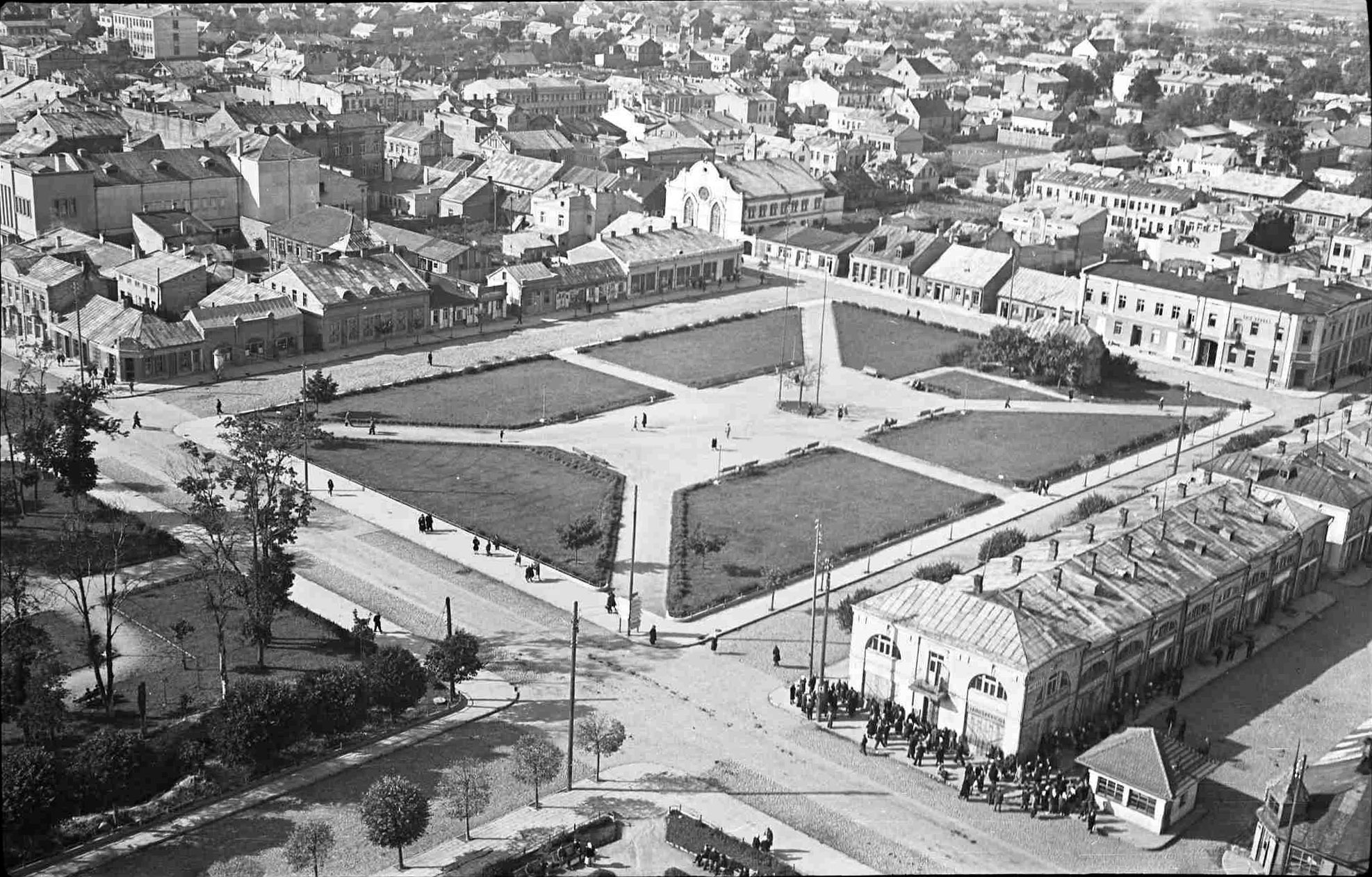
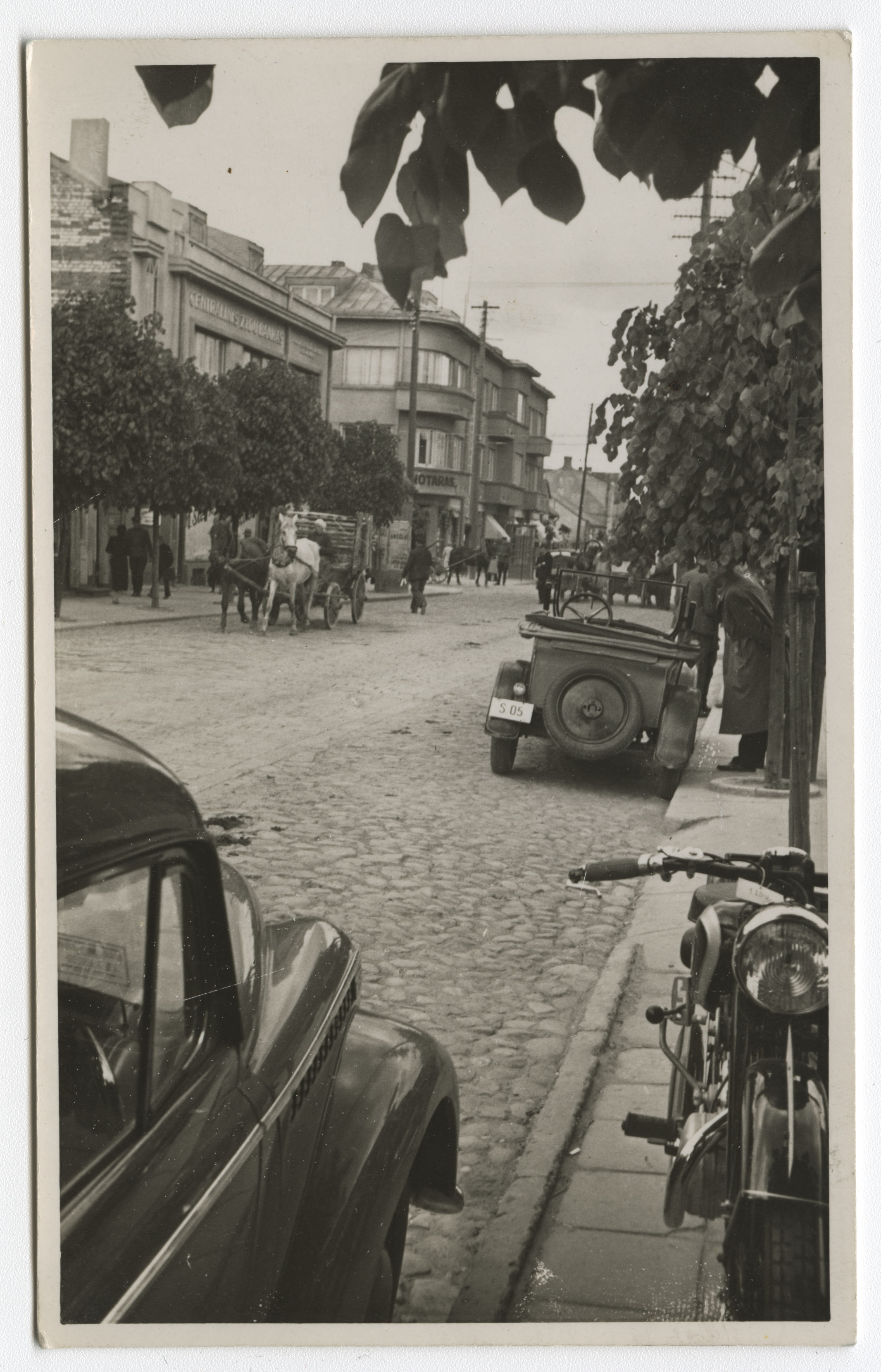
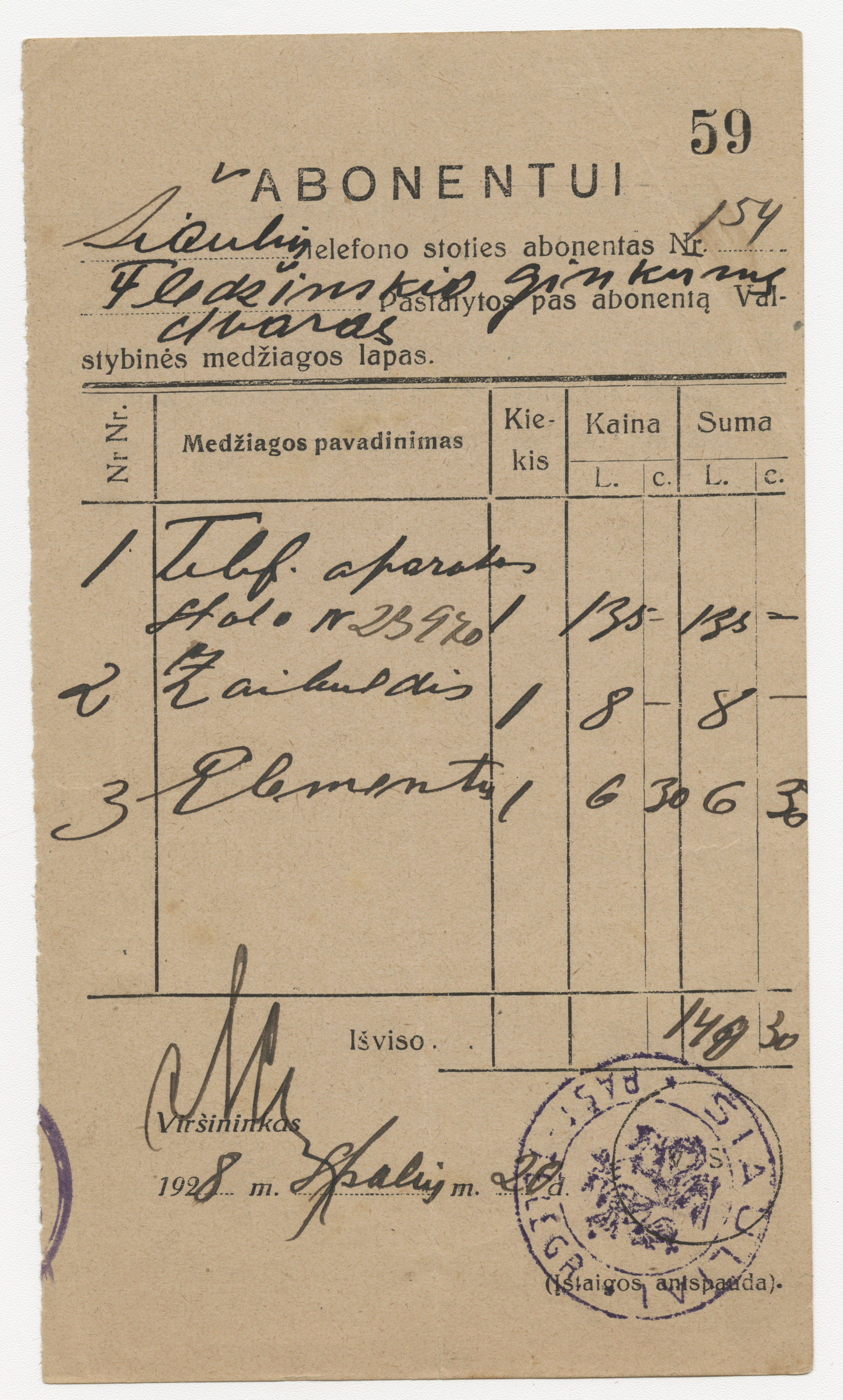
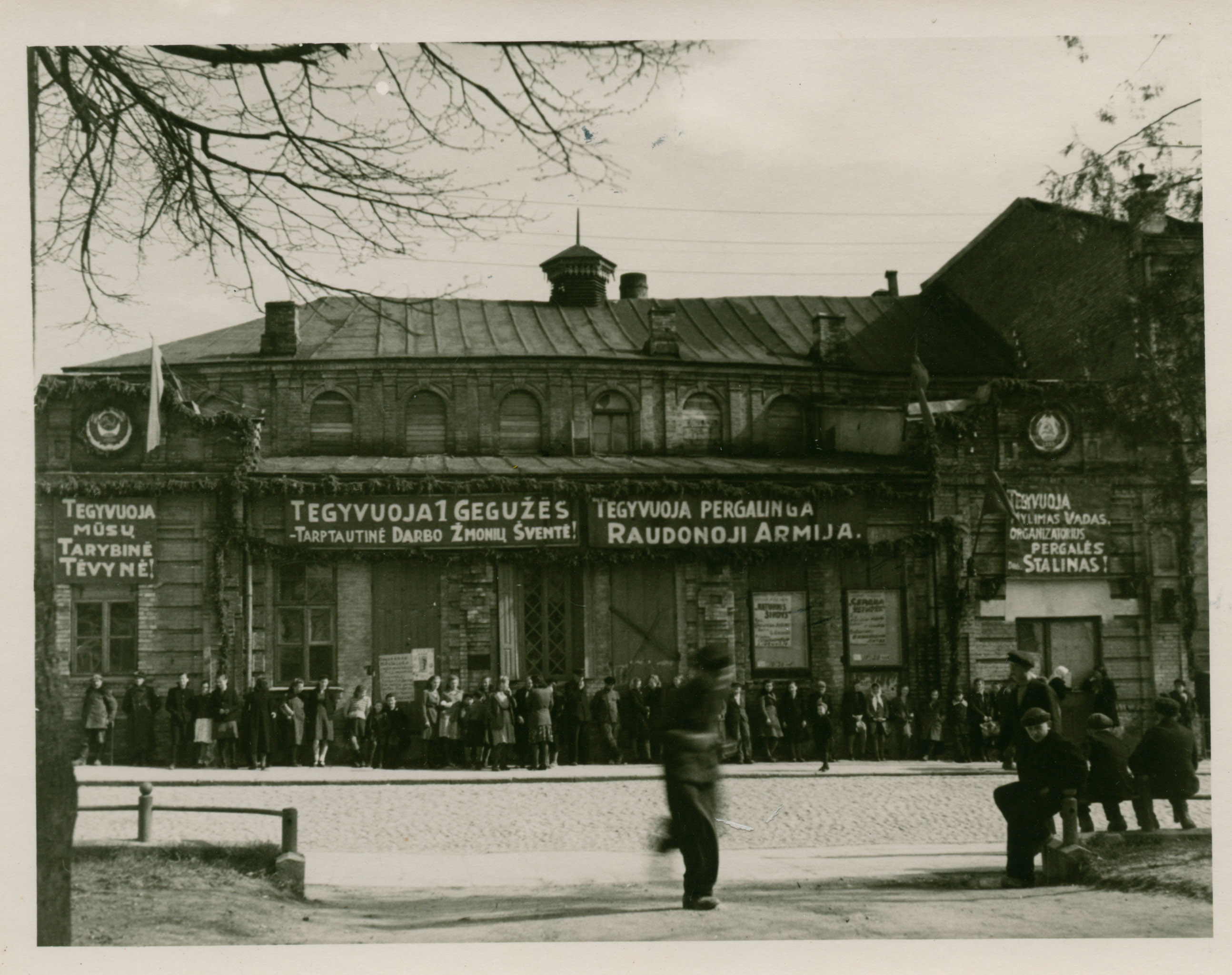
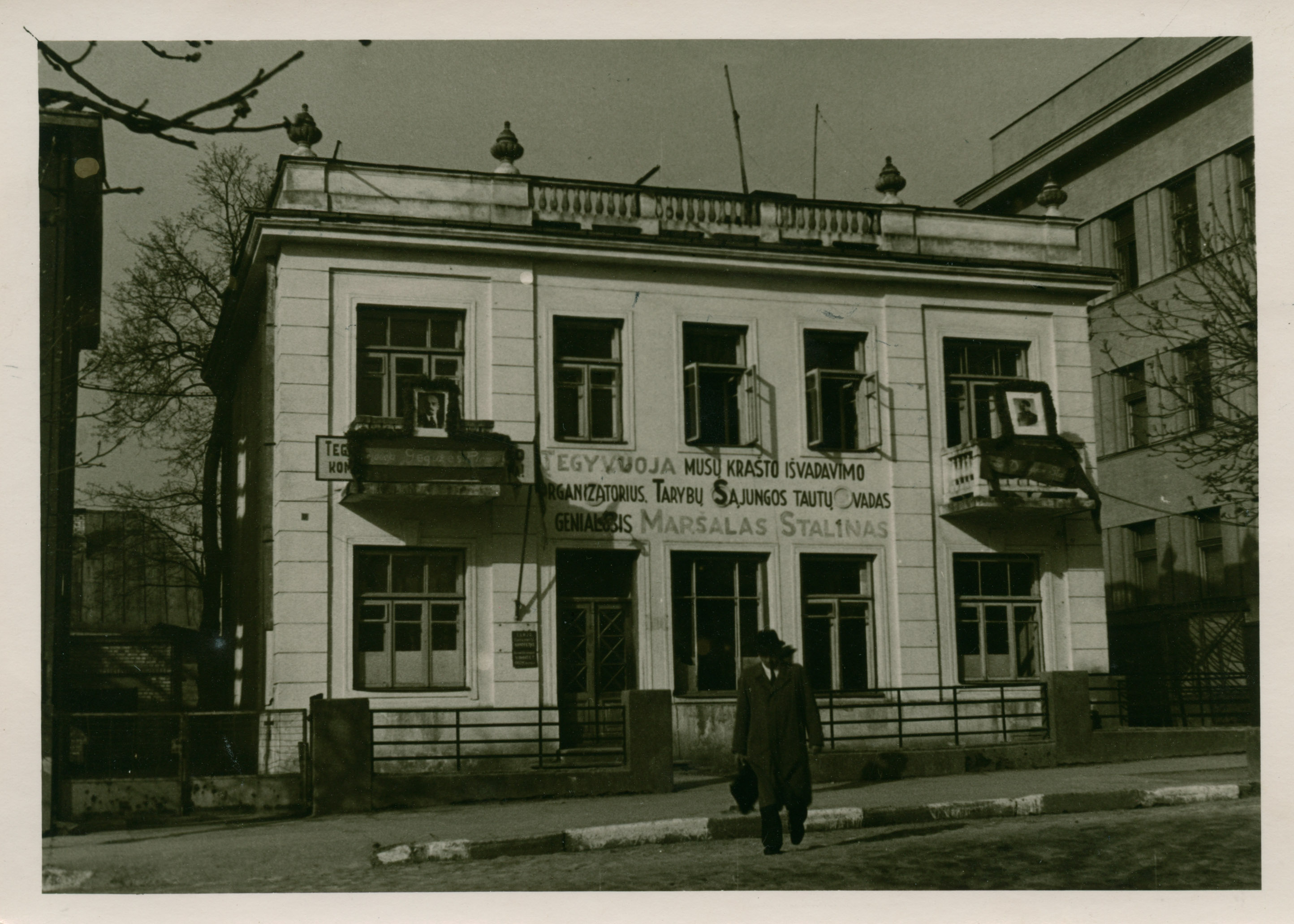
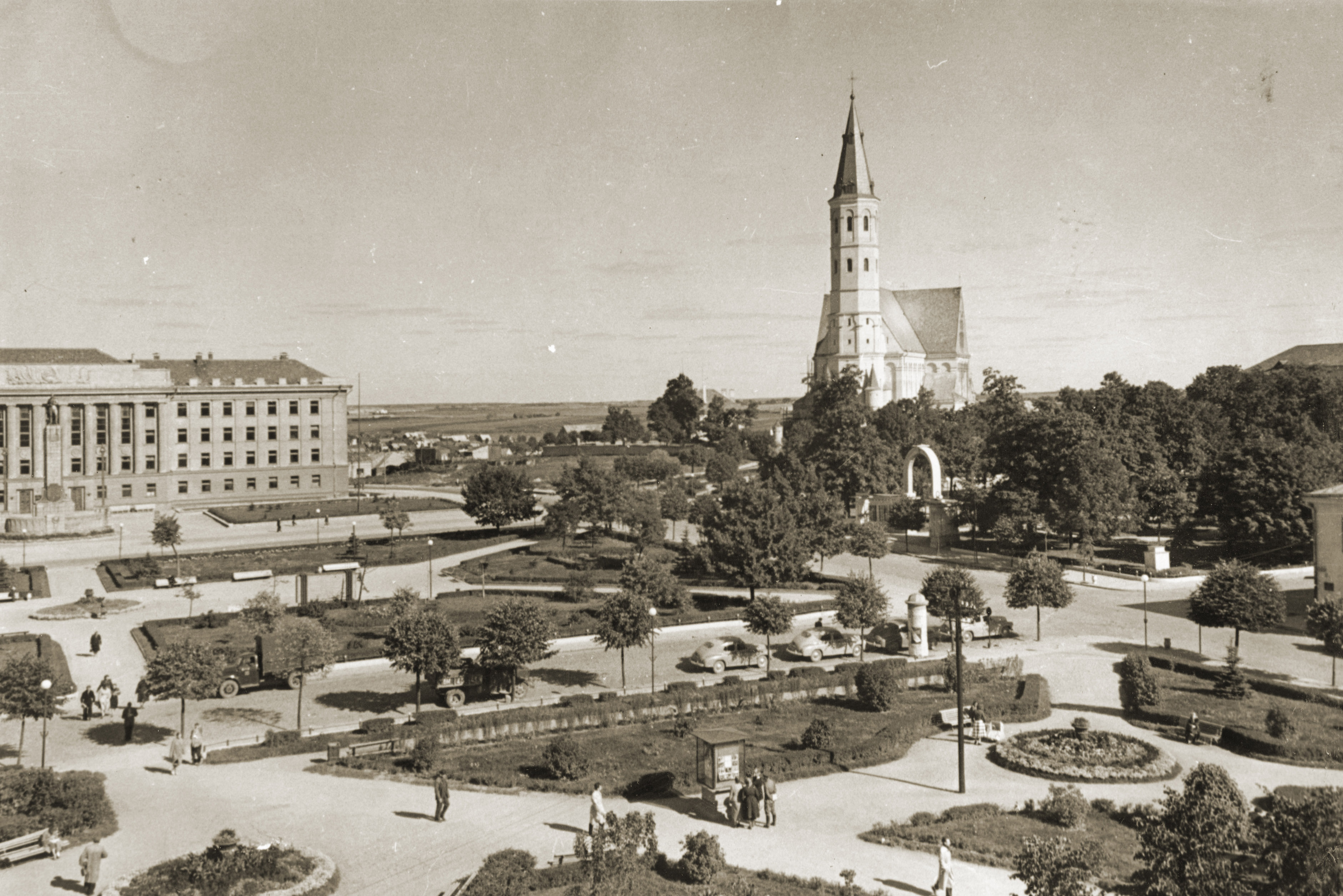
It can be stated that the damage made by occupations to the city was beneficial: it was an impetus to start the renovation of the city’s infrastructure. Šiauliai municipality started promoting the city’s inhabitants to build two-t...Read more
The municipality introduced new hygiene rules in the city: the residents had to build garbage bins at their houses and dig slop pits, constantly clean their streets and yards. Not only the inhabitants and factories, but also other ente...Read more
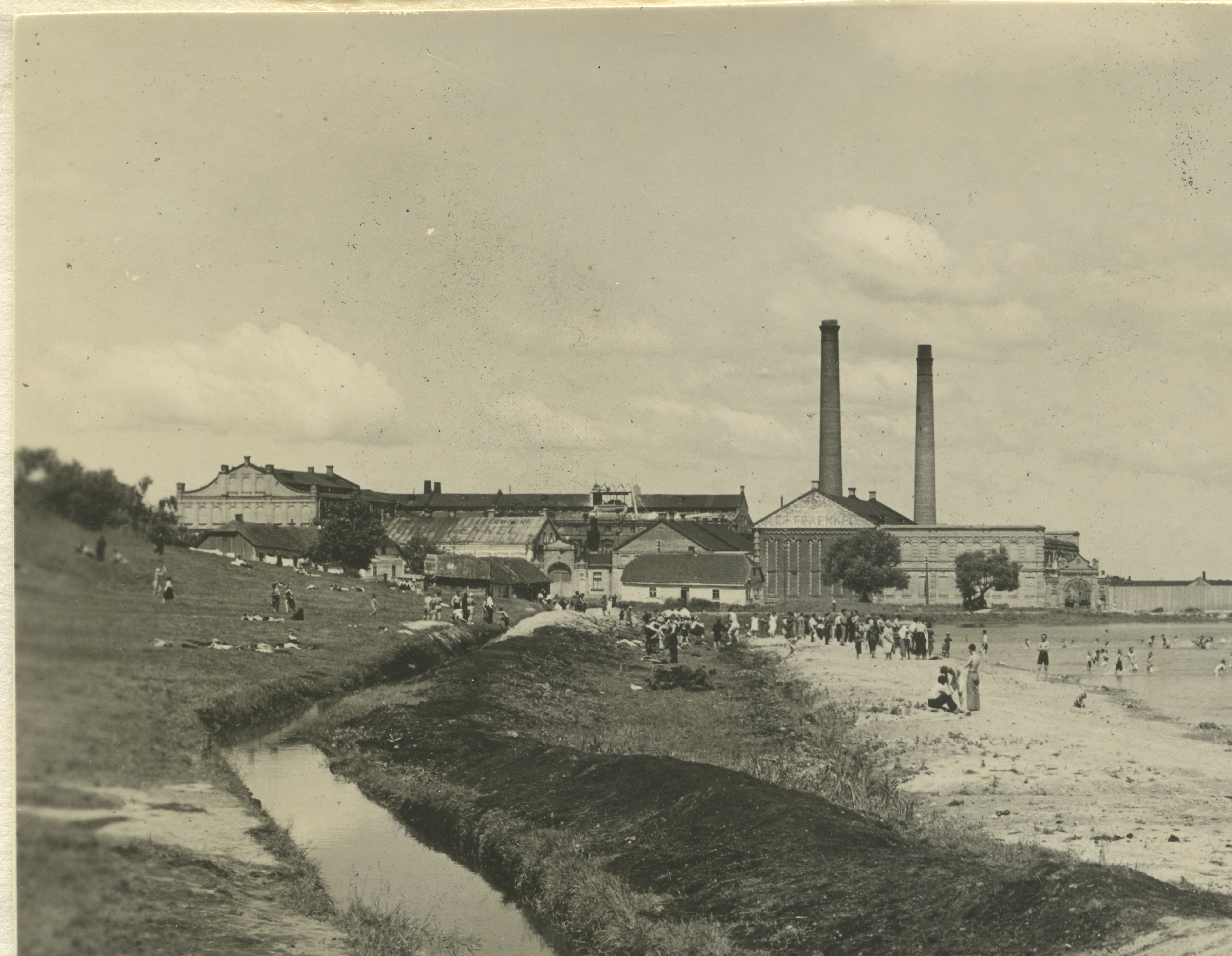
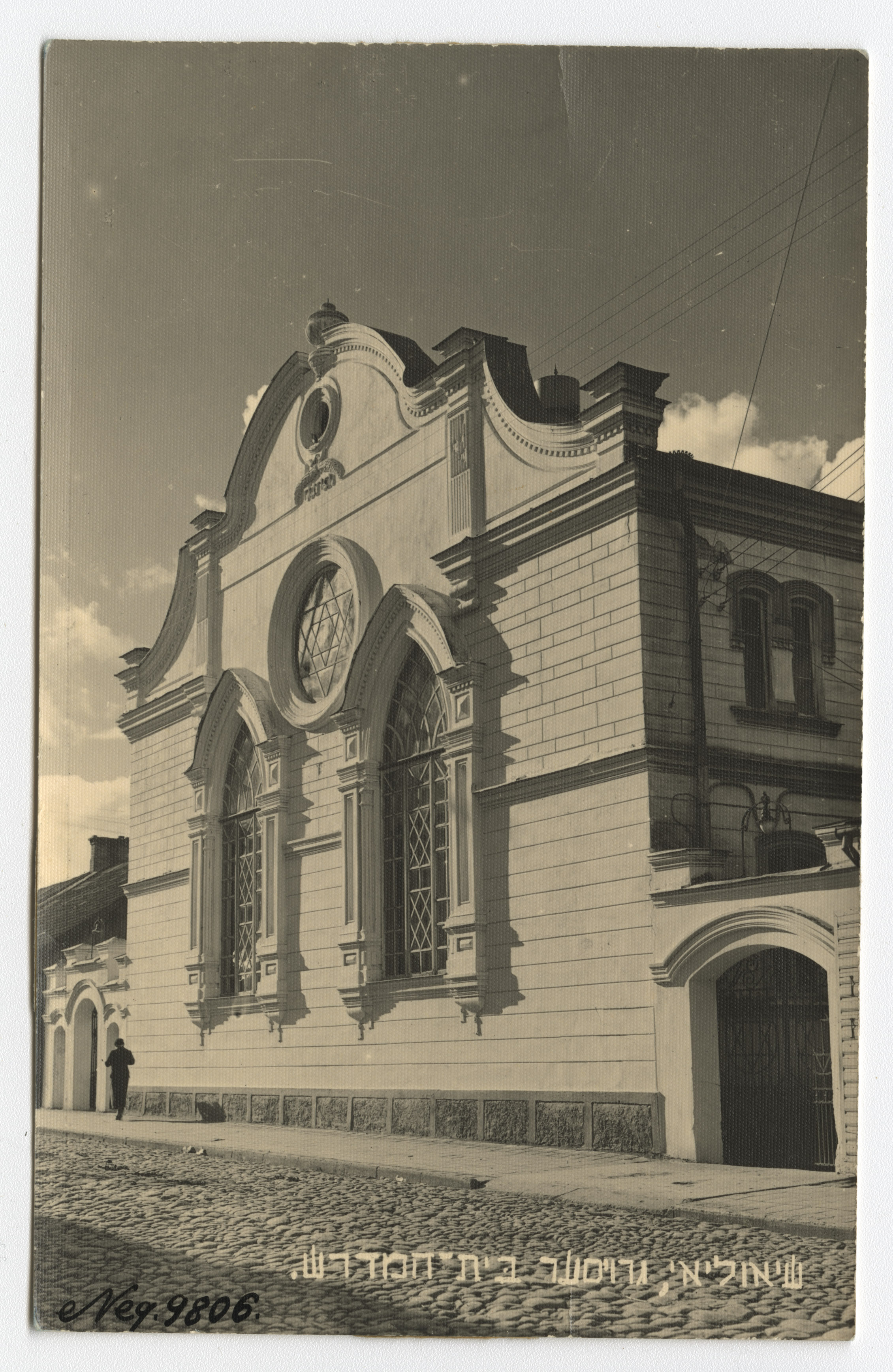
After the war, the industry quickly recovered reaching the level of the pre-war period, as there were active representatives of the Jewish community in the city. In principal, their active manufacturing and trading activities formed th...Read more
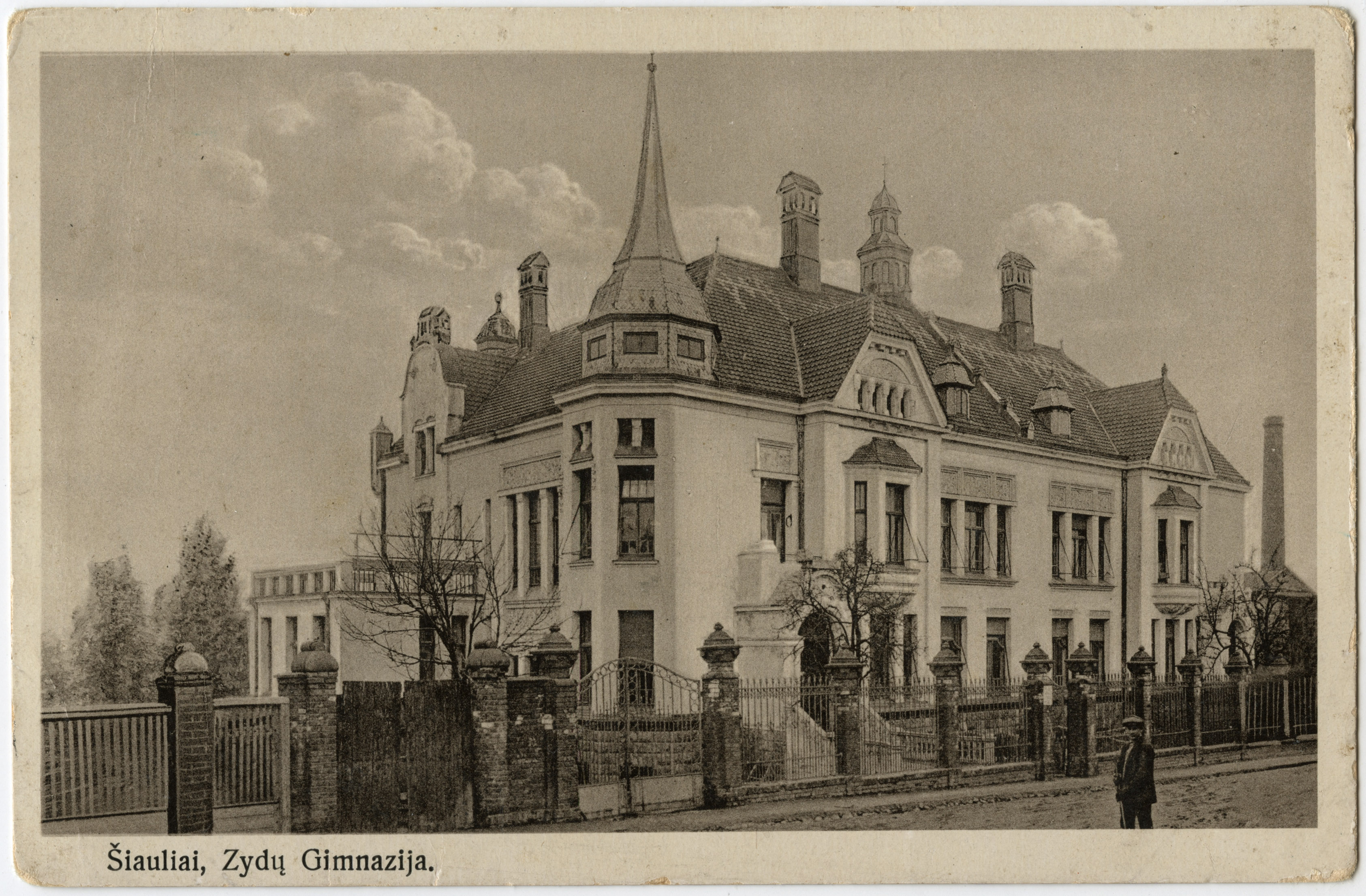
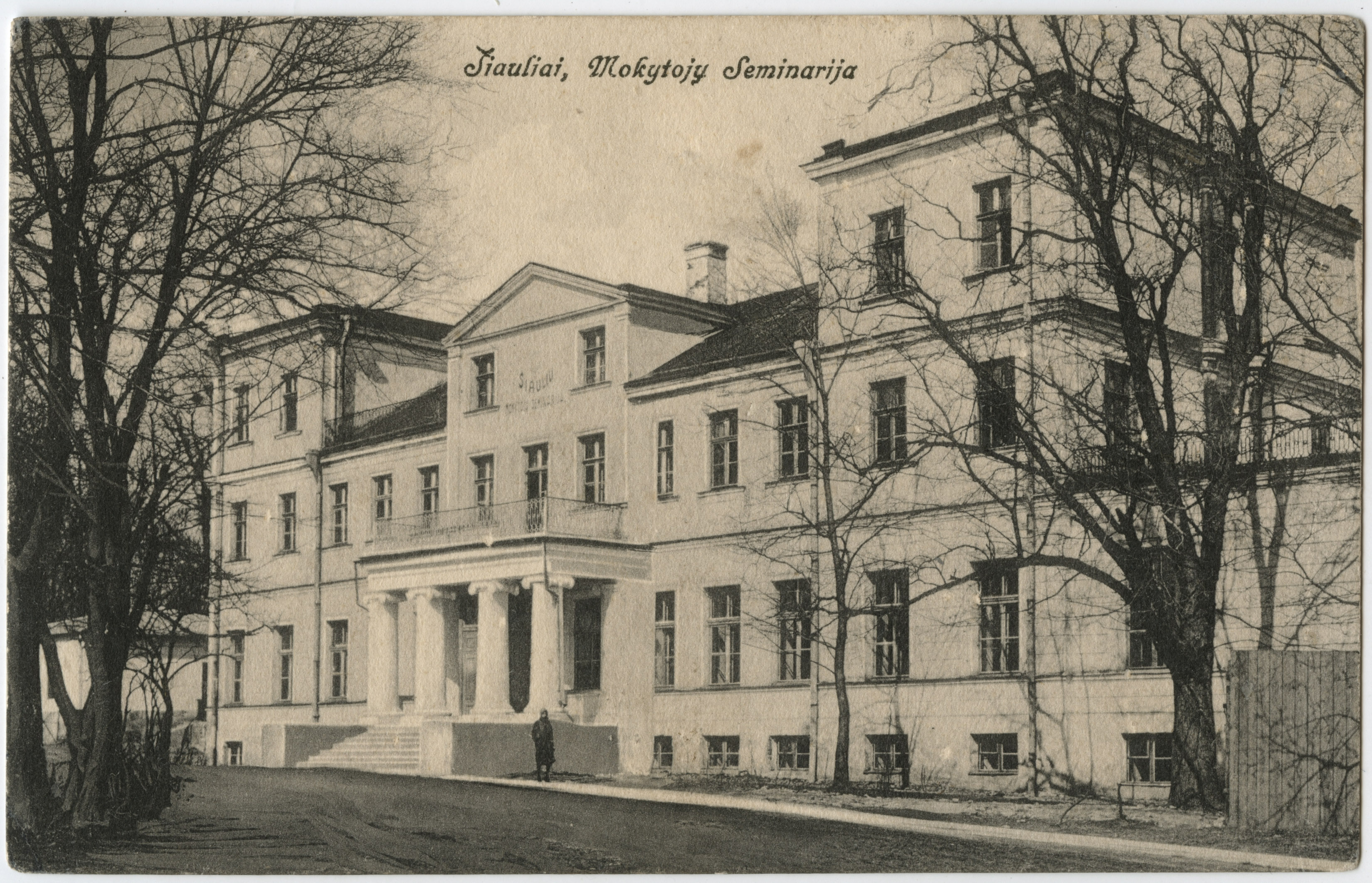
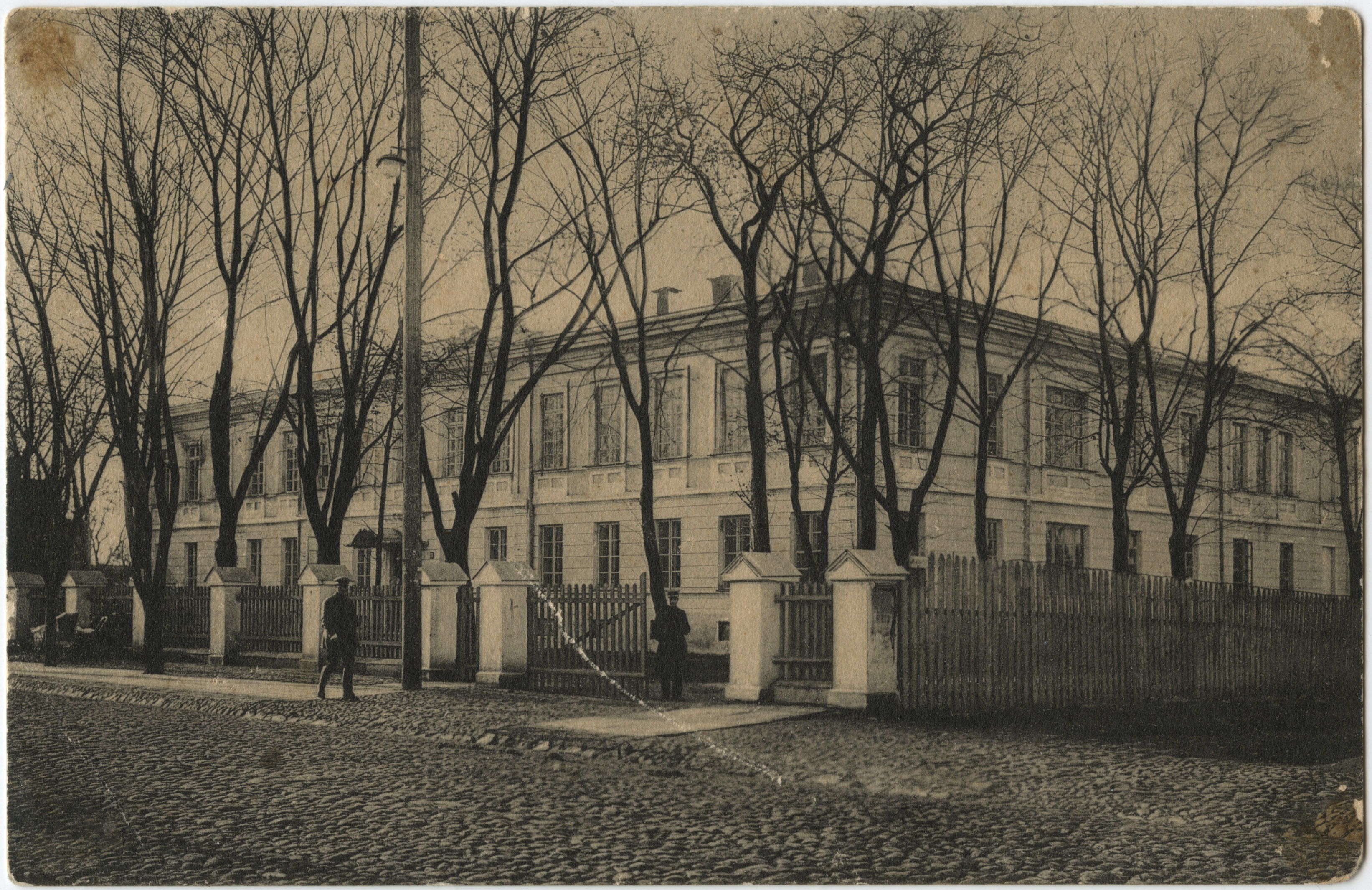
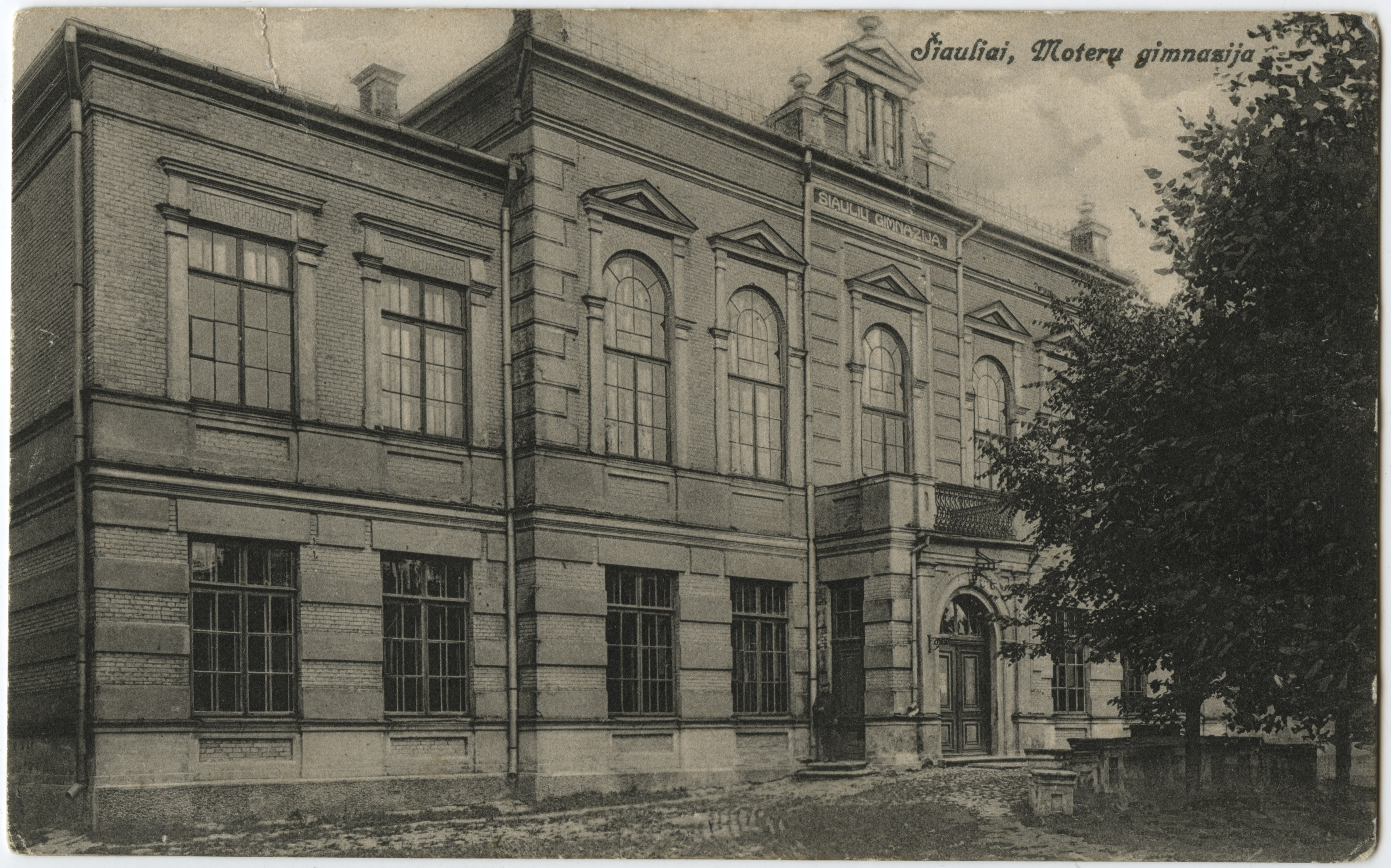
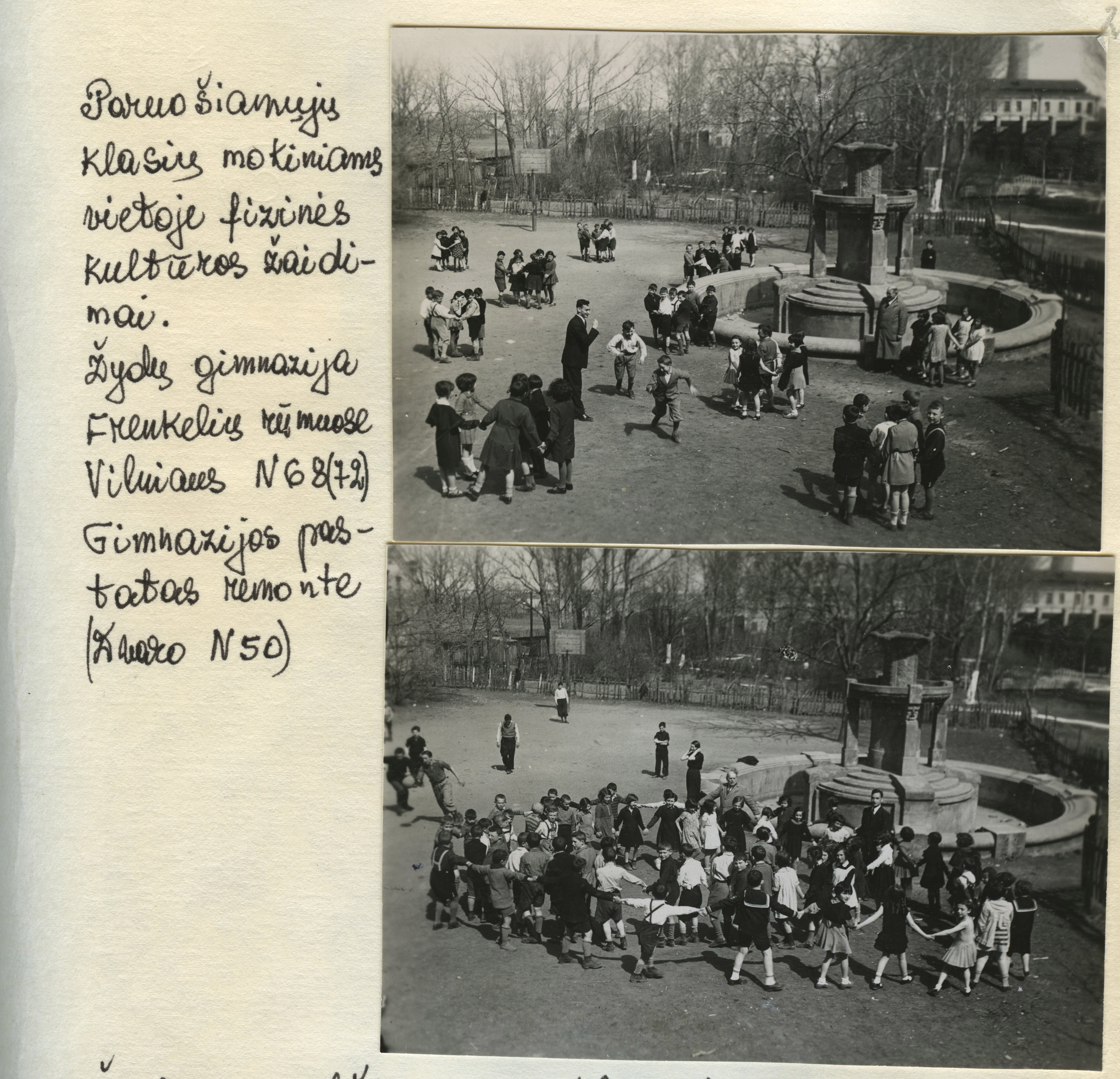
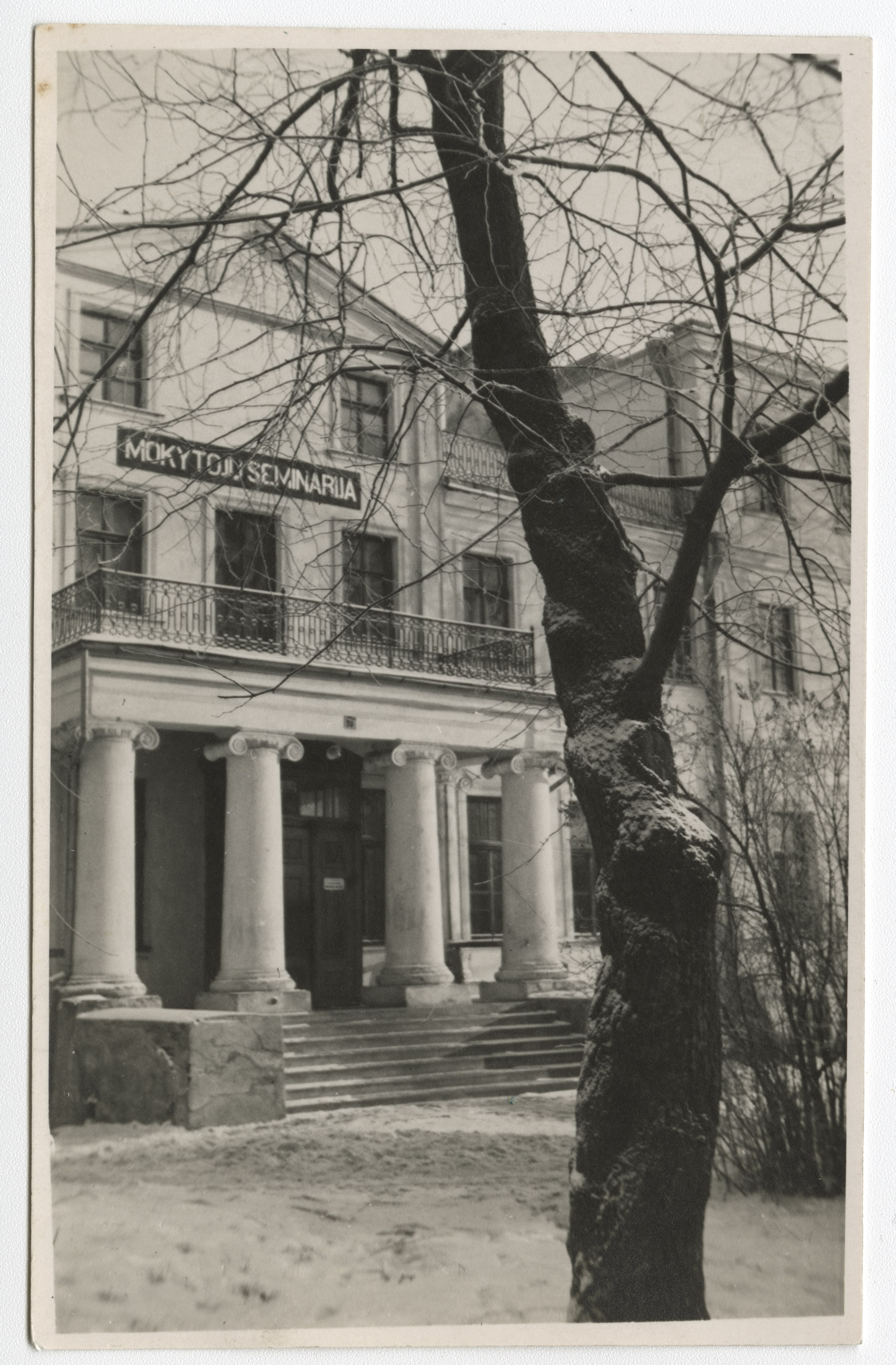
Already at the beginning of independence, the employees of the municipality in authority very well understood the importance of education. This is primarily apparent from the funds allocated for the revival of this sector. Here, Šiaul...Read more
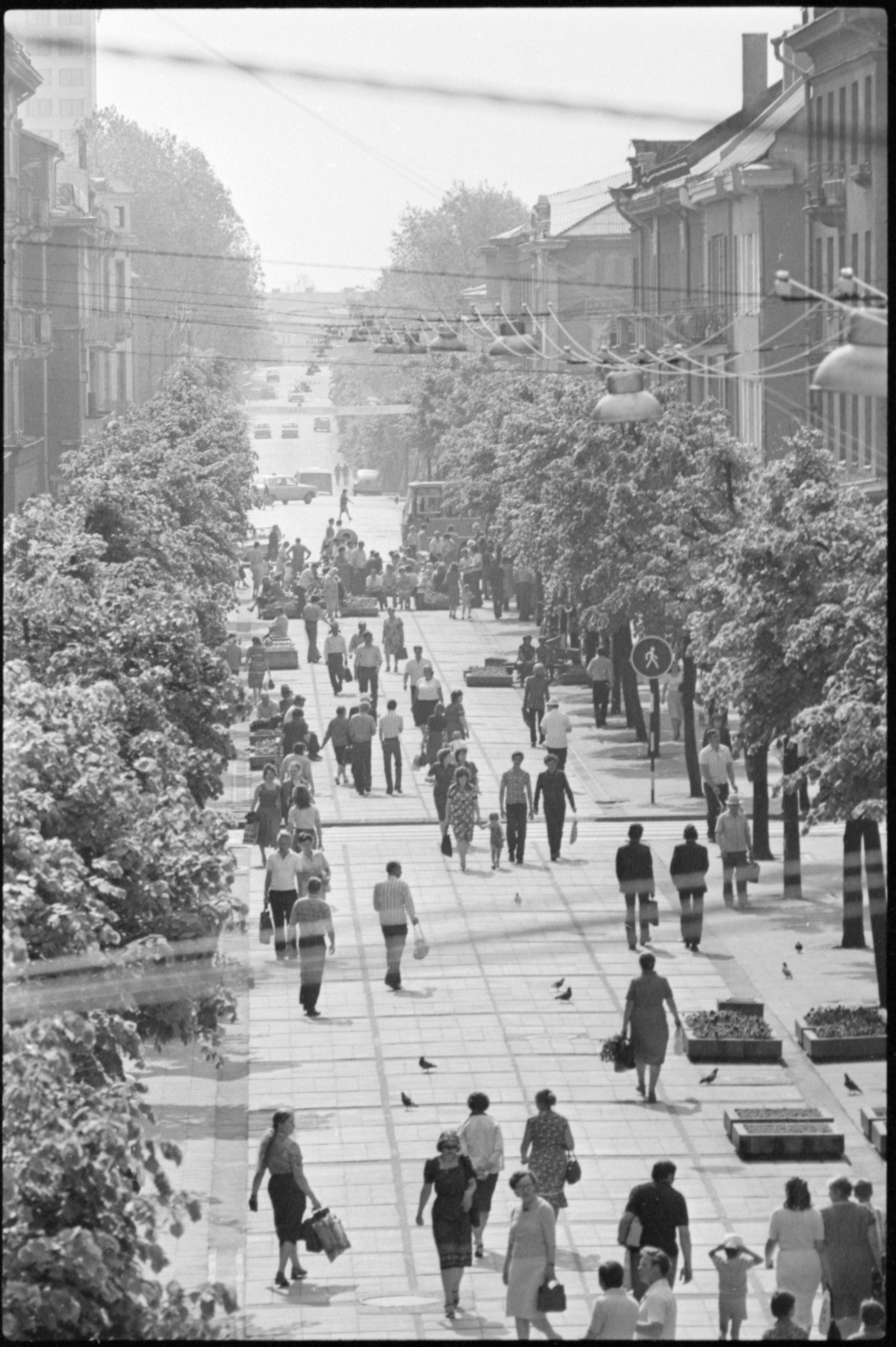
In the city’s general plan, developed in the beginning of the 7th decade of the 20th century, Šiauliai was designed as an industrial and cultural centre of Northern Lithuania. During the Soviet period, the city began to grow rapidly...Read more
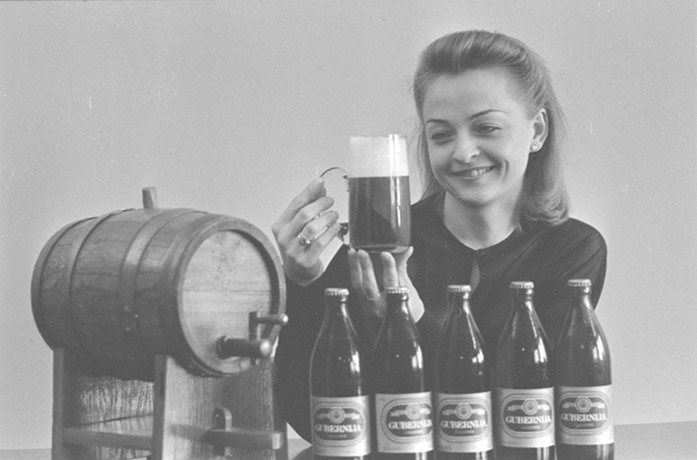
In 1950, there were already 27 enterprises in Šiauliai – only by one third less than before the city’s bombarding during the Second World War. The most distinguished were representatives of leather, textile and knitwear products. ...Read more
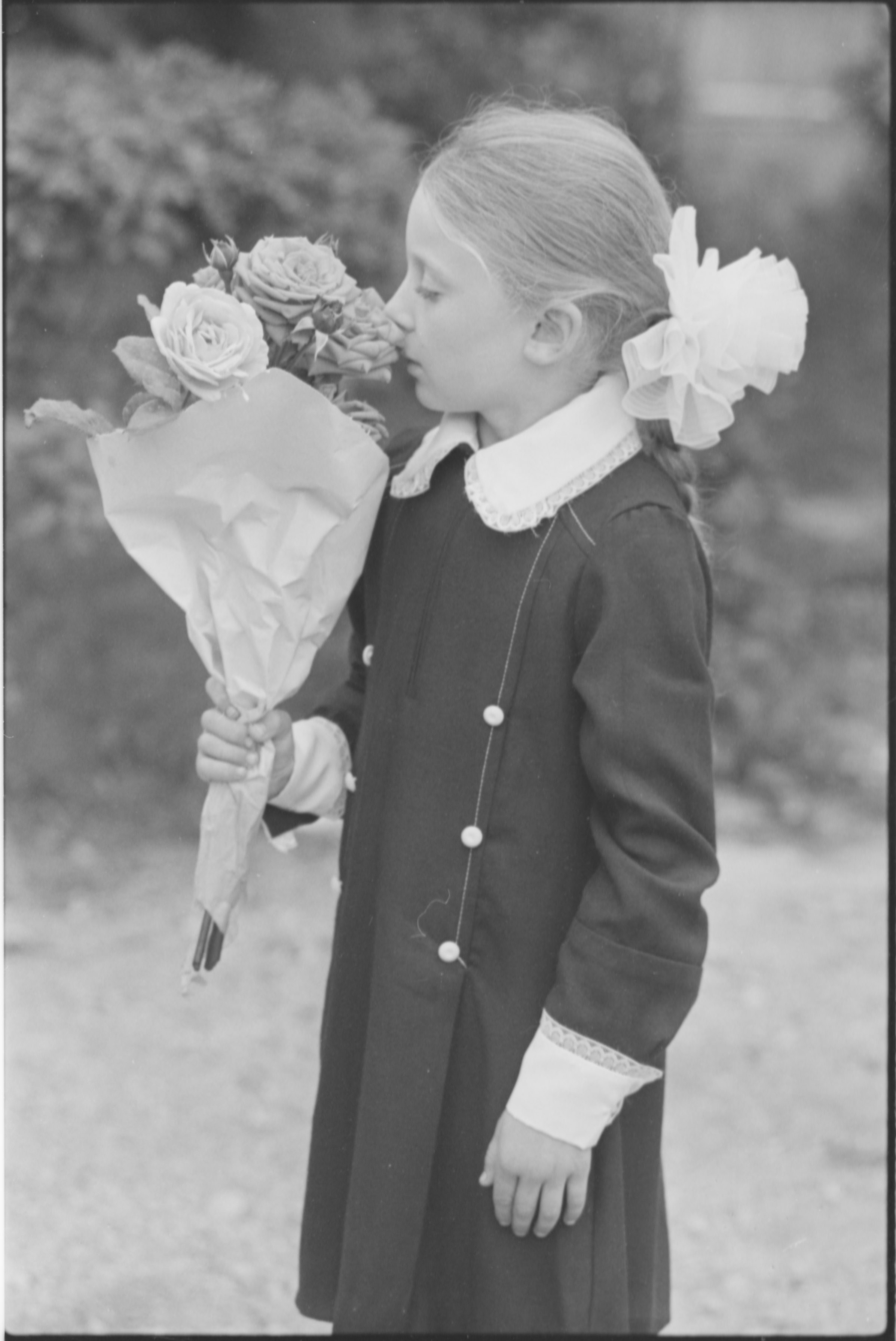
In 1951, the schools destroyed during the war were rebuilt, but in the beginning there were not enough places in them, later the situation began changing. The level of educatedness in the city grew first due to the strengthening facili...Read more
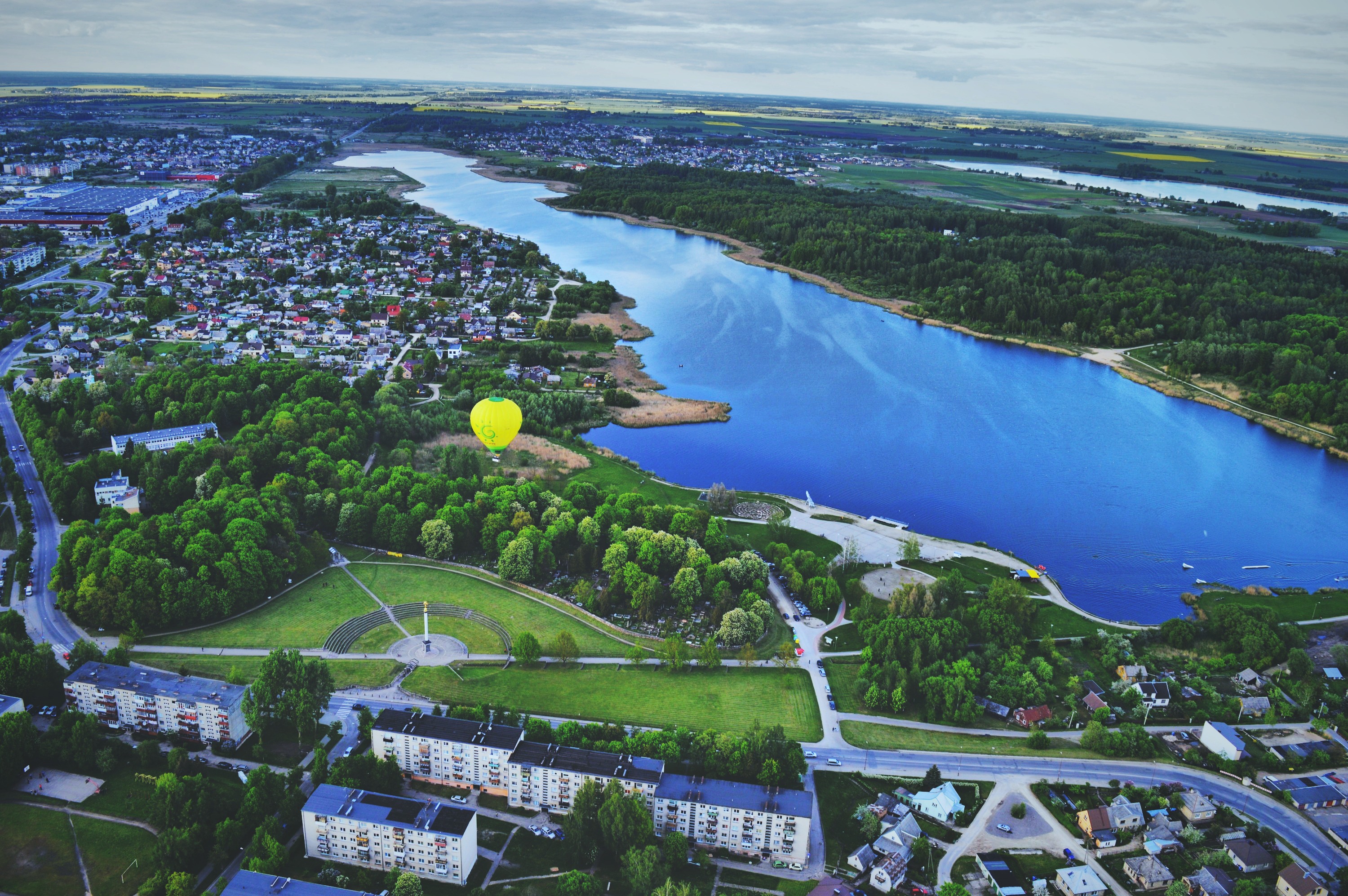
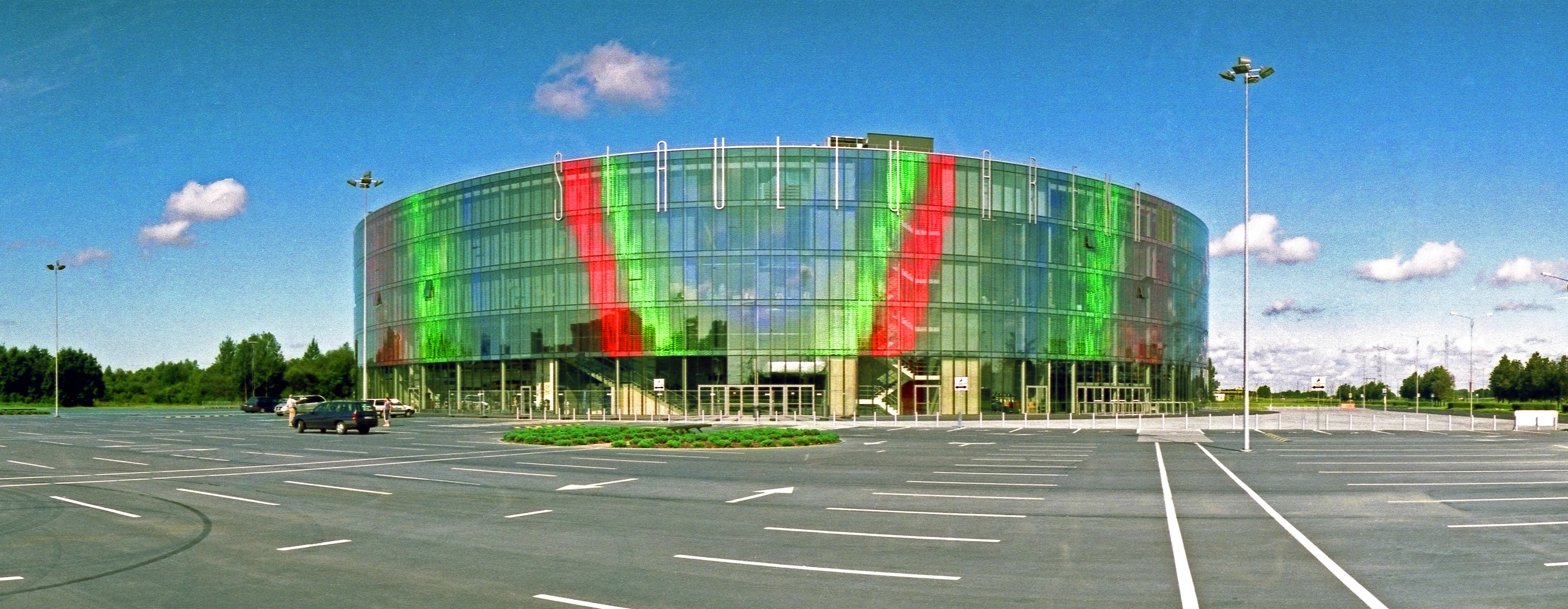
Šiauliai is the fourth largest city in Lithuania, the centre of science, culture and economy of Northern Lithuania, which has retained deep traditions of the city of industry and enterprising people. It is a city with over 106 thousan...Read more